
 Google Play
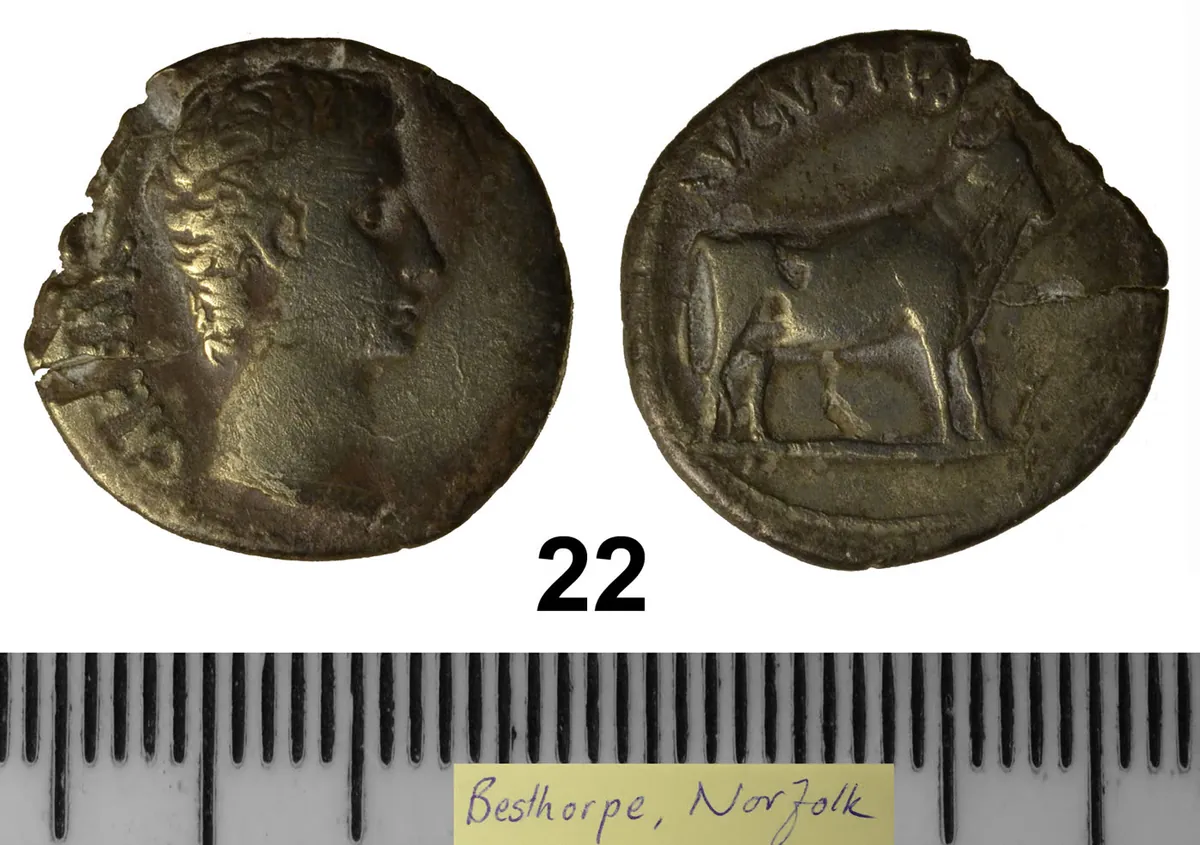
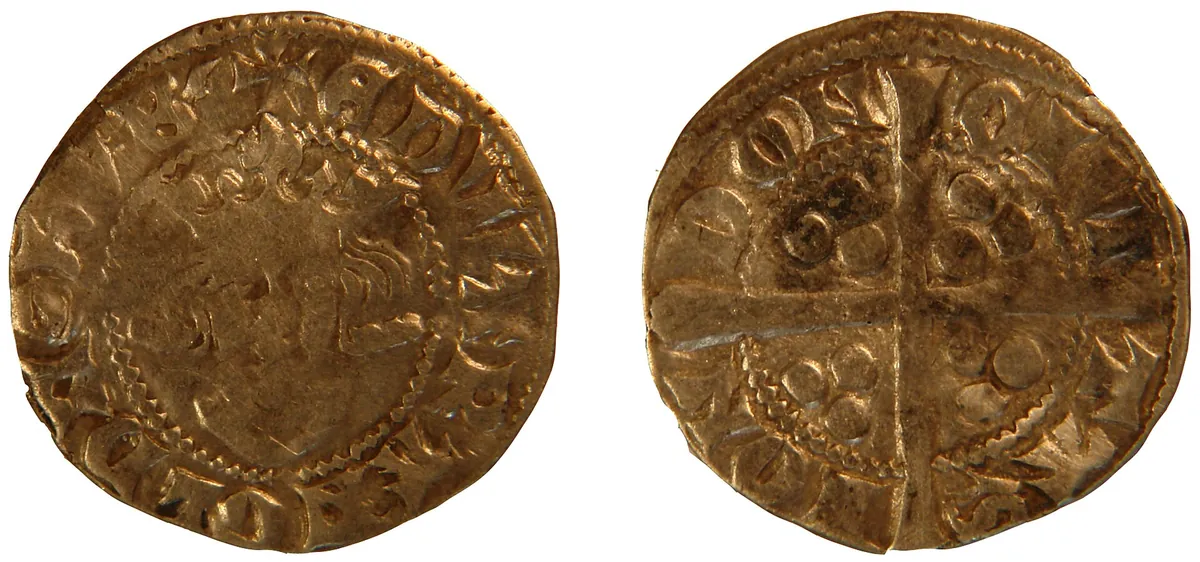
Silver comes out of the ground either black with sulfides or coated in horn silver, which is chlorides. Both make you want to remove everything. You shouldn't: there is usually a thin patina under the deposit, and that patina is what carries the collector value.
The goal is to lift the loose material and the soil, and leave the rest. If the coin is rare, or you are unsure, start with the restoration principles.
Before any method: three questions
- Is the material actually identified? Colour and shine do not prove the alloy, a plating, or the absence of a composite object.
- Is the original surface still there? Photographs, hallmarks, stable patina, organics, enamel, glass and thin plating can be worth more than clean metal.
- Is there a stop signal? Wet organics, layered glass, plating, bimetal, loose active corrosion, an inscription, a hazardous object or a significant context all mean a pause and a conservation route.
If even one of those has no confident answer, do not move on to active cleaning, soaking, reagents or electrolysis. Start with the first 24 hours after a find and fill in a condition record.
When to leave it alone
- Rare types, patterns, anything with obvious collector patina.
- Thin or cracked coins: chemistry will finish what the soil started.
- Silver sharing a bath with copper or iron — that is guaranteed galvanic damage. One metal, one container.
Before any chemistry, take a macro shot. You can also run it through AI restoration in Discovera, which leaves you an "as found" reference you can at least go back and look at.
Silver, plating and a dark surface are not the same thing
Before any active cleaning, separate three situations: a solid silver object, a thinly silver-plated one, and an object with a dark decorative or historical layer. Looking alike is no guarantee of the same composition. Thiourea, acids, abrasives and hard polishing are especially risky where there is plating, niello, enamel, inlays or mixed materials. Photographs and identification first, and only then a method that does not destroy the very layer that may be the reason the object matters.
| What you have | What it can cost | First route |
|---|---|---|
| Solid silver with a dense, even patina | Stable patina does not come back | Mechanical work on the loose material only, timed baths |
| Thin silver plating or cladding over copper or brass | The layer is microns thick: acid and abrasive take it off along with the tarnish | No polishing and no "bright white"; dry assessment and advice |
| Niello, a dark pattern worked into the metal | The black is decoration, not tarnish — "cleaning" erases the design | Leave the dark areas alone, remove only the soil around them |
| Enamel, glass, inlays, stone | Solutions and temperature swings cause clouding, cracks, lifting | Do not soak the whole object |
| Organics on metal: thread, leather, wood, bone | Organics and corrosion form a single fragile complex | Do not pick off the "dirt", do not dry it fast, get a specialist assessment |
| Layered coating of unknown composition, traces of earlier treatment | Composition cannot be read off the colour | Pause, raking-light photos, conservation route |
Horn silver is chlorides — salts, not dirt: it behaves differently from sulfide tarnish, and the decision about any contact with water is taken separately here — see water, salts and hydrolysis.
If even one row above describes your object, the route changes: the first 24 hours after a find → a condition record → monitoring after conservation, rather than the next reagent on the list.
Gentle start: soap and a brush
- Soak in a laundry-soap solution for several days.
- Lift the softened soil with a soft brush, underwater.
- Rinse with distilled water and inspect under a loupe.
For a field coin that is often the whole job. It will not shine, and it isn't supposed to.
Citric acid (~10%)
The working concentration is around 10% in distilled water. Oxides come off quickly, but you pay for the speed: the surface turns matte easily, and there is no getting the look back.
- Dissolve citric acid in distilled water to roughly 10%.
- Submerge the piece and actually check on it — every few hours, not "I'll look tomorrow".
- Take it out, brush gently, reassess the relief.
- Stop earlier than you want to. "Bright white silver" is already too far.
- Rinse thoroughly and dry.
Thiourea
The more professional option, and specifically for sulfide blackening. Mix per the reagent's instructions, wear gloves, work with ventilation.
It targets the black deposit more precisely than acid does, but the risk is higher too — not for your first coin and not for a rarity. Follow with generous distilled rinses and a full dry.
More on reagents: chemistry and tools.
Never do this
Polishing compound, a felt wheel and dry microfibre "to a mirror" deliver exactly what they promise: a mirror, with a web of scratches underneath it. On silver that shows up beautifully.
A long ammonia soak by eye opens up pits that the oxides had been covering. And an ultrasonic bath with mixed metals in it is a way to spoil several objects in a single session.
After cleaning
Lifting the crust means the silver is reactive again. Seal the surface with a thin microcrystalline wax or careful paraffin, and store it dry. Details in preservation.
Take a reference photo and set a date for the next inspection. If the blackening or a whitish bloom comes back, that is a question about storage and about the state of the surface, not a reason to repeat the procedure "harder": monitoring after conservation.
In short
- Any suspicion of rarity → don't clean.
- Soap and mechanics, then reassess.
- 10% citric or thiourea, always with a timer.
- Rinse, dry, wax.
- Before and after photos in the diary: in a year you will not remember what you actually did.
External orientation
Silver is the easiest metal of all to over-clean. Before you raise a concentration, read the general principles at Canadian Conservation Institute — Metals: stripped patina does not come back.